Please note that when employing Entra ID authentication while adding a new server to SQL Diagnostic Manager, you must select or configure an Azure Profile.
Components of Azure Profile are responsible for building a valid connection.
How to select an Azure Profile?
Select your Azure Profile by following the next steps:
- Click the Azure Discovery Settings button.
- In case you have already created an Azure profile, select it from the Selec an Azure Profile dropdown. Otherwise, create a new one.
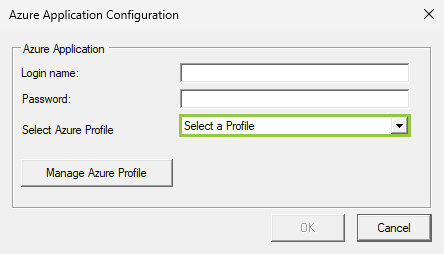
- Click OK to save your configuration.
- Select a server to monitor.
- Select the instances to monitor.
How to create a new Azure Profile?
Create a new Azure profile by clicking Manage Azure Profile from the Azure Application Configuration wizard.
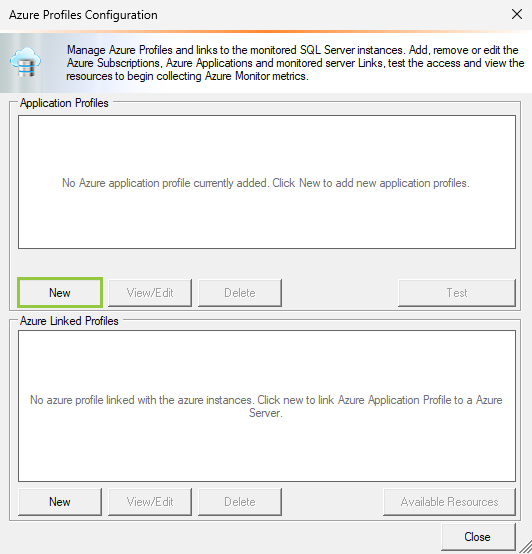
When the Azure Profiles Configuration Wizard opens, you have two sections:
- The Application Profile adds a new profile and manages the existing profile.
- The Azure Linked Profile indicates which Azure profile is linked with which server instance. You can also manipulate this mapping using the View/Edit and Delete buttons.
To add a new Azure profile please follow the steps below:
- Click the New button from the Application Profiles section.
- Choose a Profile Name and Description for your Azure profile, from the Azure Application Profile wizard.
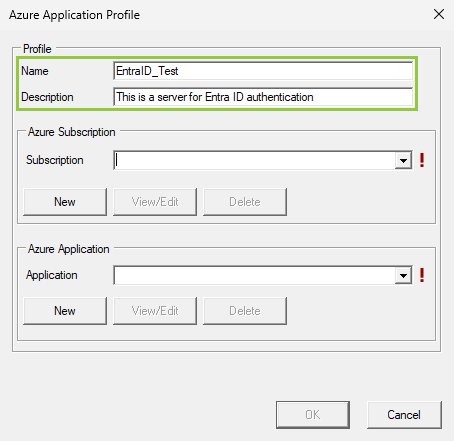
- Select an Azure Subscription from the subscription dropdown, otherwise, click New and complete the following fields with the application information:
- Subscription ID*
- Description
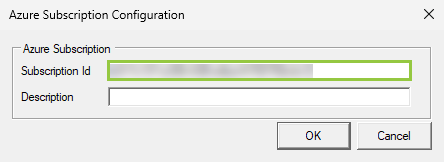
(*) This information is mandatory, to get it from your application follow the steps outlined in theHow to get Azure Profile components? section.
- Click OK to save your Subscription information.
- Select an Azure Application from the application dropdown, otherwise, click New and complete the following fields with the application information:
- Application name
- Tenant ID*
- Client ID*
- Secret value*
- Description of the Azure application
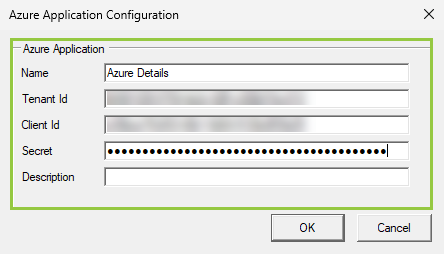
(*) This information is mandatory, to get it from your application follow the steps outlined in the How to get Azure Profile components? section.
- Click OK to save your Subscription information. Review all your information. When you finish, the wizard should look like this image.
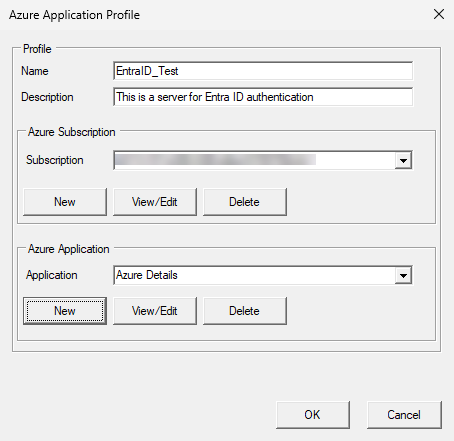
- Click OK to save your Azure Application Profile.
- Click Close to close the Azure Profiles Configuration wizard.
- Select the Azure Profile just created from the Select a Profile dropdown.
- Select the instances to monitor.
How to get Azure Profile components?
In case you do not know how to obtain your Application information such as Subscription ID, Tenant ID, Client ID, and Secret value, we outlined the following steps to get them.
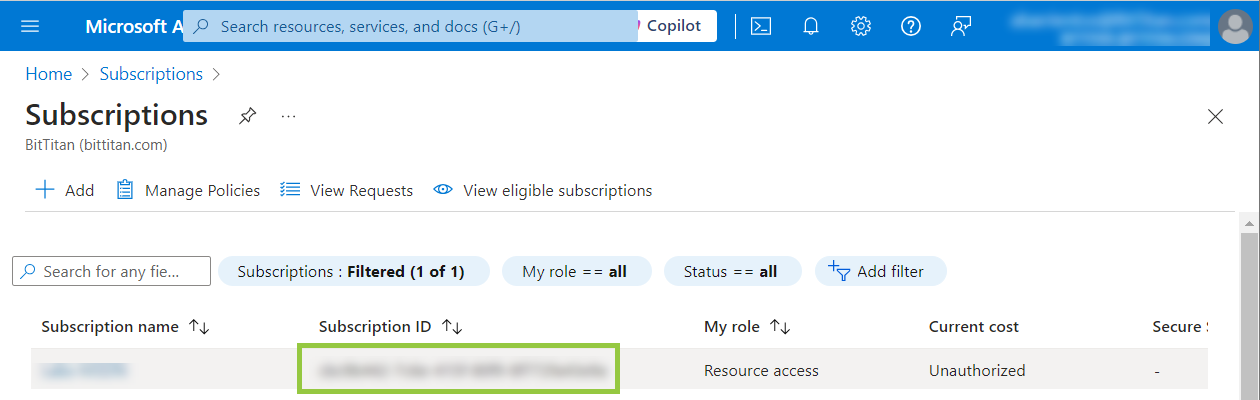
Get your Subscription ID
- Login to Azure Portal.
- Get the Subscription ID by searching Subscriptions on the search bar.
- Copy and save the Subscription ID in a notepad or secure file.
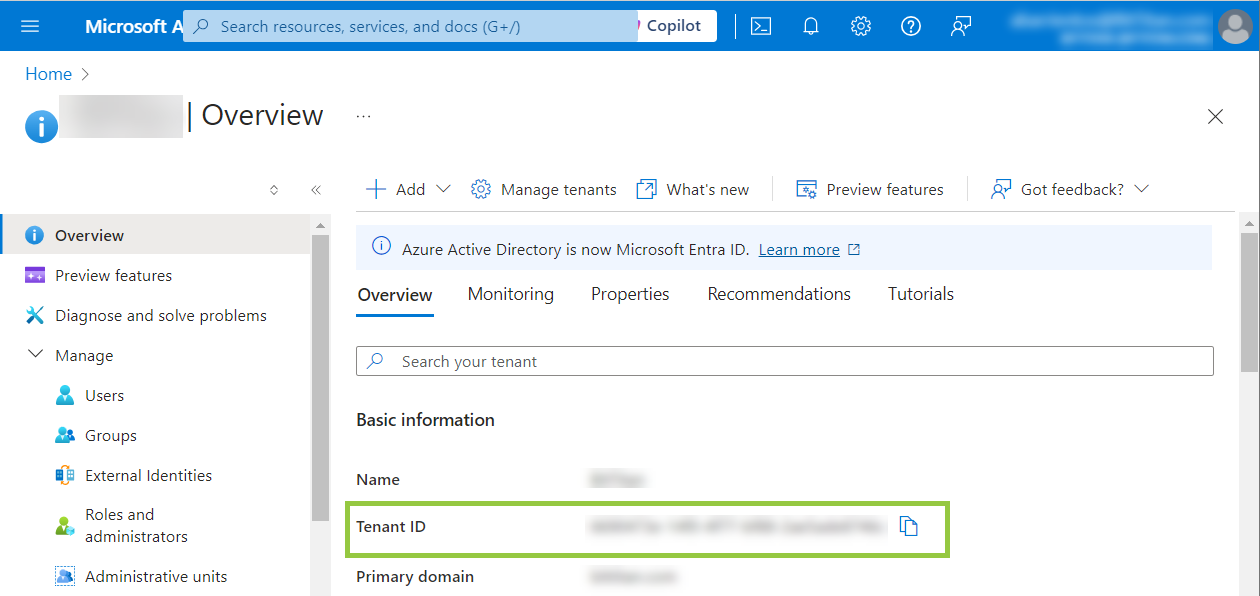
Get your Tenant ID
- Login to Azure Portal.
- Select the Microsoft Entra ID service.
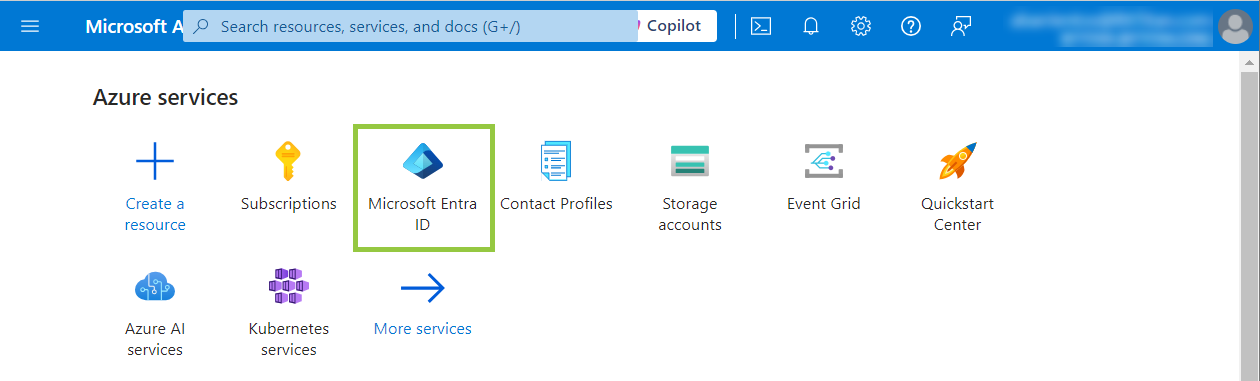
- Copy and save the Tenant ID from the Overview tab.
Get your Client ID and Secret Value
- Login to Azure Portal.
- Select the Microsoft Entra ID service.
Navigate to the Manage node from the left side menu and select App Registration.
You can choose an existing owned app or create a new registration by clicking the New Registration button.
If you have already created your Owned App select it and the Overview page will display the Client ID.
Copy and save it.
Click the secret hyperlink to obtain your Secret value if you have already created it. In case you need a secret value, you can create a new one.
Copy and save your Secret Value.
Create a Client Secret
In case you do not have the Secret ID or you lost it, follow the steps below:
- Navigate through the Manage node to the Certificates & secrets option from the Overview tab of your Owned App.
- Click the New client secret option.
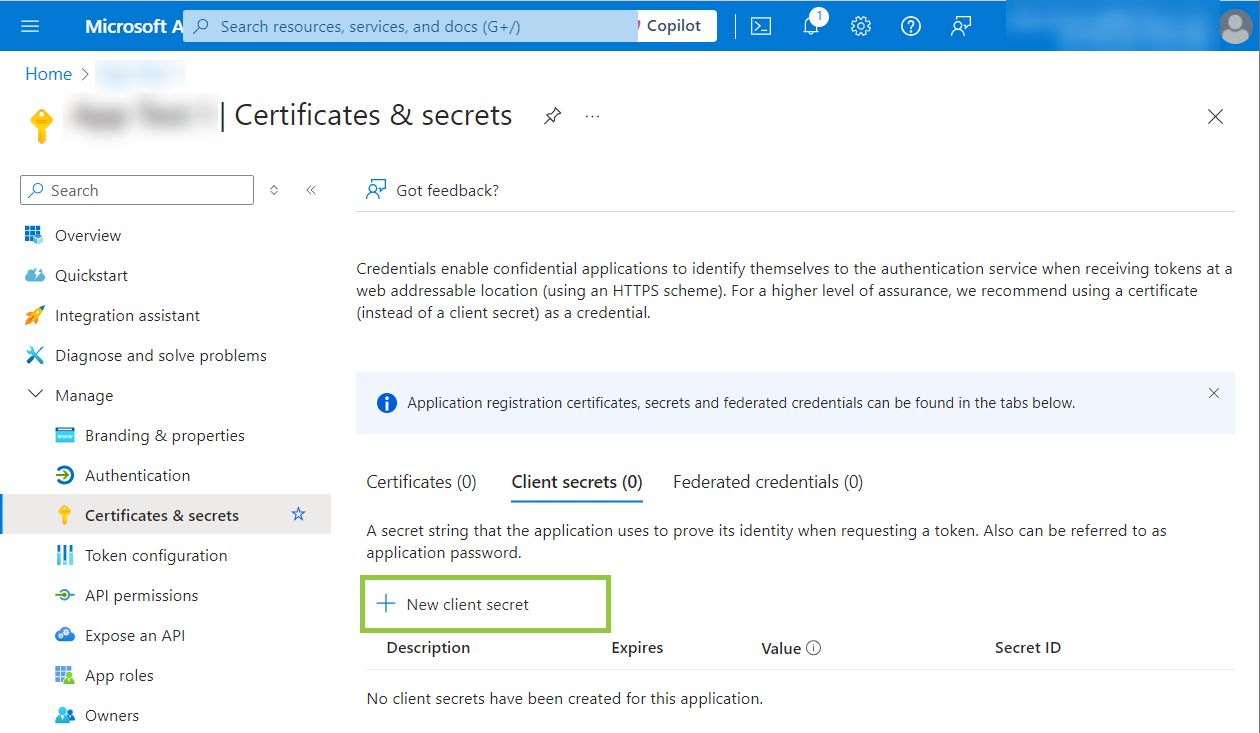
- Choose a description, select an expiration time from the dropdown menu, and click Add.
- Copy and save the Secret ID.
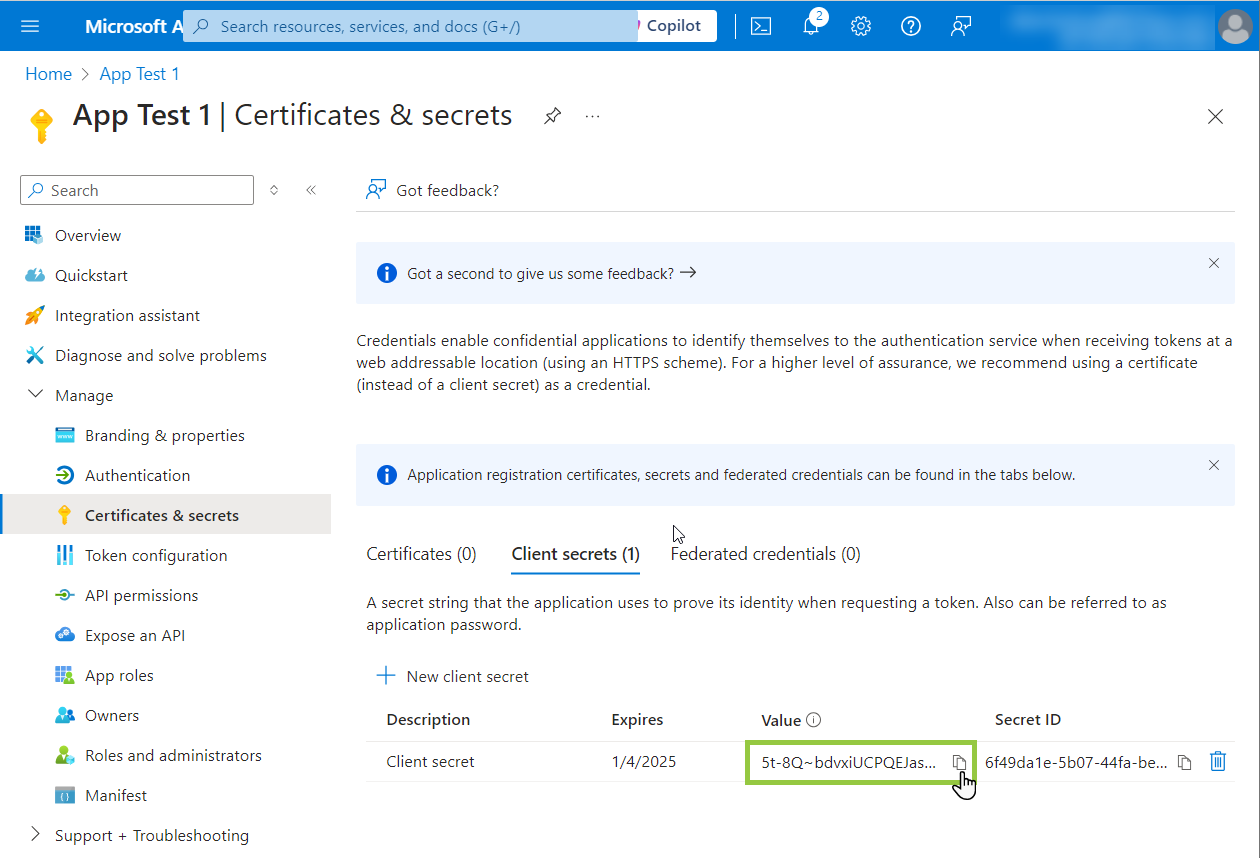
You must save the Secret value once you create the Client Secret, otherwise, the next time you log in to the Azure Portal to check this value, it will be masked.
If you lost or did not save the Secret value and you need it, create a new Client Secret and use the new Secret value.